Introduction
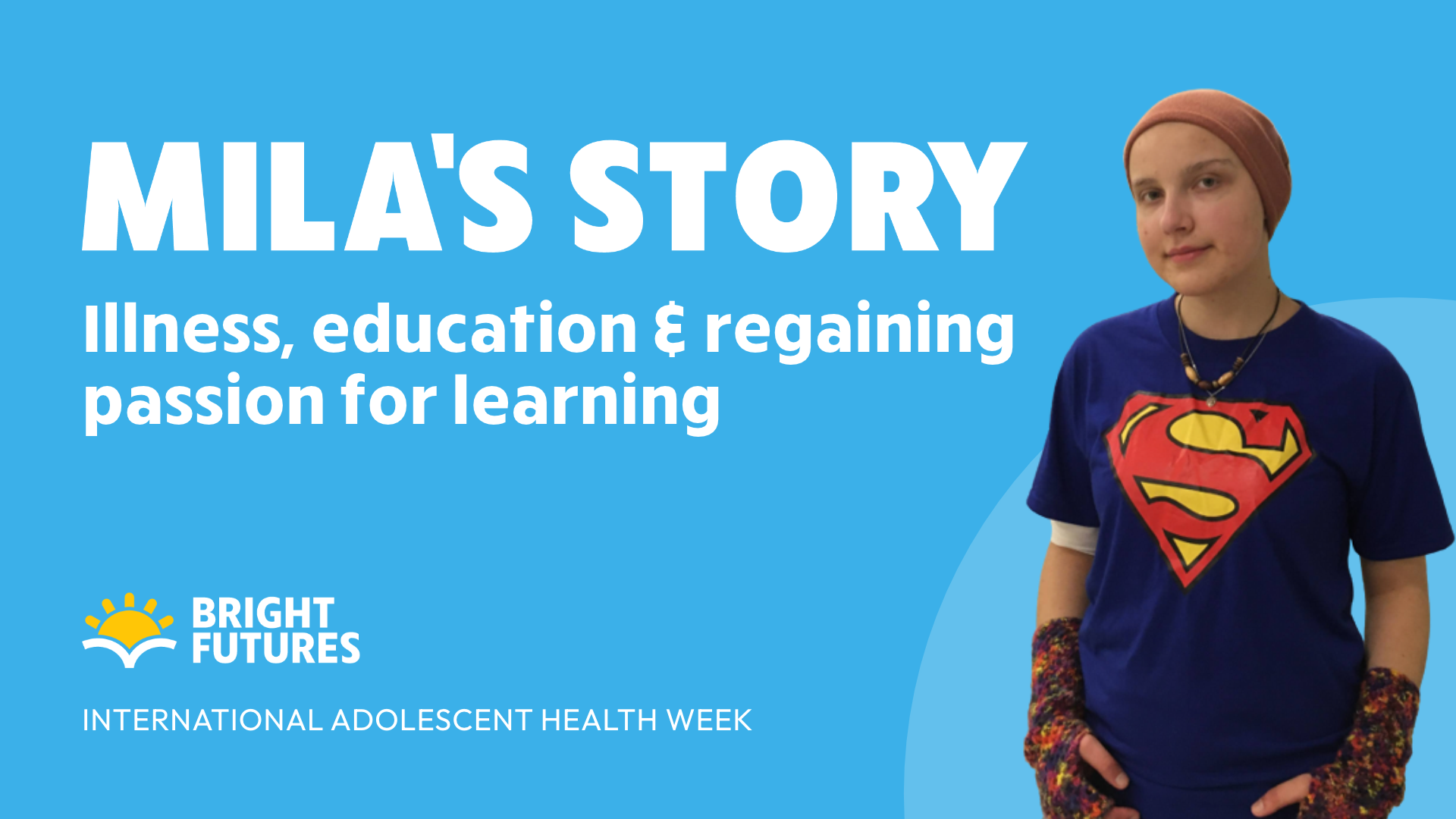
For International Adolescent Health Week, we’re sharing Mila’s personal account of returning to education after a blood cancer diagnosis at 19, and the difference support from her Bright Futures UK mentor, Michelle, made along the way.
This year’s theme, “Nothing About Us Without Us: Power, Voice and Health Equity for All Adolescents”, highlights why young people’s experiences must shape the support they receive and the decisions that affect them. From rebuilding her confidence to pursuing her interest in medical law and ethics, Mila reflects on what it means to be supported as a whole person, with her own goals, interests and ambitions.
Mila’s Story
My name is Mila, and at the age of 19, I was diagnosed with blood cancer. On the day of my diagnosis, I had been packing to return to university for the second year of my law degree and by the evening, it felt like my life had completely changed. The signs were there, looking back, but so many of my symptoms overlapped with the typical first-year university experience, such as fatigue and frequent infections. I had got used to living with many of my symptoms and was thankful to my rheumatologist, who noticed a collection of swollen lymph nodes near my collarbone on examination and organised further testing, which I assumed to be related to autoimmune disease investigations.
Education had always been my primary focus, so being told I would have to pause my studies for at least a year to have chemotherapy while the friends I had made continued was very difficult. I was able to freeze my eggs before starting aggressive chemotherapy treatment, but this was a very difficult period, which I struggle to remember due to the fear and uncertainty of the aggressive treatment I was about to receive. Though I had my chemotherapy in a TYA unit, surrounded by other teenagers and young people aged 13-24, due to my age, I was under the care of the adult lymphoma clinic, and I was always the youngest in the waiting room. The side effects from the steroids I was on meant I was unable to even read a sentence at one point, which I found very frightening.
Aside from the range of debilitating side effects of my chemotherapy, I felt out of step with my peers and frustrated that I was facing disruption to my studies. The hope of returning to university helped me get through, though I had to be reminded to focus more on the short term and not look too far ahead. Managing medication and appointments felt like its own challenge and had subsumed most of my remaining time and energy. When I finished treatment, I was very grateful to reach remission, though it was difficult to feel positive, as the treatment had exhausted me and left me with new chronic symptoms and diagnoses that affected my daily life.
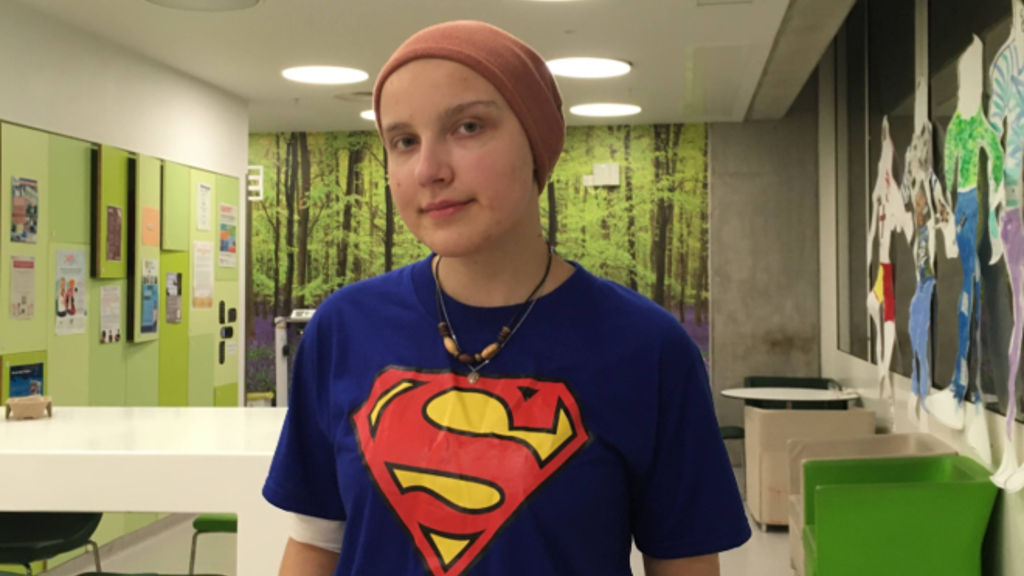
With the prospect of returning to university to resume my studies in a few months opening up again, I felt very anxious, as I had been through a lot during the year I was out of study, and I was unsure what studying would look like for me with the challenges I was left with from my treatment. I was unsure I could even keep up with the pace of the course. Not only had my confidence been knocked, but I had also been out of study and wasn’t sure I could use the skills I had built in the first year, even though I had unknowingly been very ill.
One day, when I was in the TYA unit, I noticed a poster for the charity Bright Futures UK. After looking online, I found they offered a range of educational support programmes. I got in touch, applied for the mentoring programme, and felt hopeful it could really help me return to education. I felt a bit apprehensive at first, unsure what to expect, but the team quickly got in touch and explained they were looking for a match.
Not long after, I was matched with Michelle, who had a background in law. We began working together regularly, and she helped me set goals, track my progress by checking in and recognise my achievements. Though it was a very difficult year, I noticed significant improvement since I started working with her, especially as I entered the final year of my undergraduate degree. Since she understood first-hand not only the challenges of studying law, but also the challenges of studying with a chronic illness, her advice and encouragement were always invaluable.
In the final year of my undergraduate degree, I studied the law and medicine module, where I felt like I had really found my interest. I wrote my undergraduate dissertation on whether donating peripheral blood stem cells and bone marrow is in the best interests of those who lack the capacity to consent. As I considered my next steps, the progress I made with Michelle’s help made continuing my studies in the medical law and ethics master’s programme a real possibility.
When I returned to university, I was not sure I could even complete the undergraduate programme with my new health difficulties, and Michelle’s support meant I could apply to my dream programme, which was so exciting. With her continued input and support, I met the course’s grade requirements, studied it this year, and had the opportunity to study medical law in much greater detail. It was an academically rigorous course that challenged me in new ways. Michelle reminded me of the progress I had made and to make time to look after myself.
I became interested in adolescence as a period of rapid brain development, and in my dissertation, I considered what this means for the law on refusing life-sustaining treatment. By examining how medicine increasingly recognises adolescence as extending beyond age 18 to age 24, I used my lived experience and time in the medical environment to shape and strengthen my research interest. Michelle tailored each session to what I wanted to cover, and she ensured it supported what I was working on. The support seamlessly complemented my work, and I could not be more grateful for her continued dedication.
During International Adolescent Health Week, with this year’s theme being ‘Nothing About Us Without Us: Power, Voice and Health Equity for All Adolescents’, I think it is important to reflect on the organisations that support advocacy for adolescents and ensure our voices are heard. I believe listening to young people’s voices is critical, as it centres the lived experience of those in health care systems, identifies gaps in support, and, most pertinently, can enable calls for policy to fill them.
At Bright Futures UK, I have been inspired by the central message that ‘illness shouldn’t mean falling behind’, as this was my fear as soon as my life was turned upside down due to my cancer diagnosis. With BFUK’s ongoing mentoring support, I have regained my passion for learning, which I feared I had lost to illness. The programme has put me at the centre of my support, treating me as a whole person and helping me progress further than I ever perhaps even dared to imagine.
A Note of Thanks
We’re so grateful to Mila for sharing her experience, and to Michelle for her continued support and encouragement.
Young people deserve to be heard, supported and included in decisions about their health and education. At Bright Futures UK, we work alongside children and young people whose education has been disrupted by serious illness, helping them pursue the futures they want.
Explore our programmes to find support for yourself or a young person you know, or learn about our advocacy groups and how we help young people make their voices heard.